
Hollywood is confronting a new technological challenge as an advanced artificial intelligence video tool developed by ByteDance draws scrutiny from major film studios and industry bodies.
The tool, known as Seedance, is capable of generating highly realistic cinematic videos within seconds based on simple text prompts. While proponents see it as a breakthrough in creative technology, critics warn it could disrupt copyright protections, intellectual property rights, and employment across the entertainment sector.
How the Technology Works
Seedance 2.0 allows users to input descriptive prompts and receive AI-generated video scenes that resemble professionally produced films. The system can also integrate uploaded images, audio clips, and short video segments into a cohesive final product.
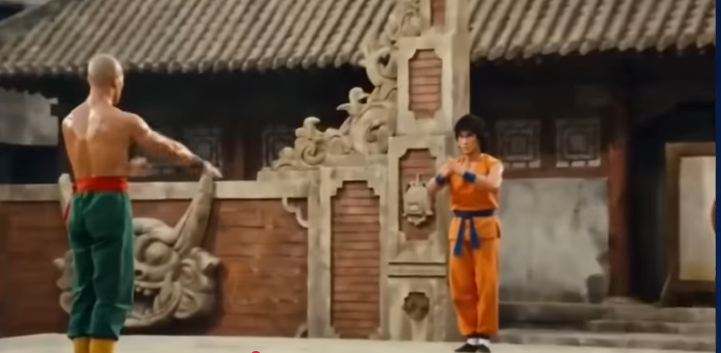
Demonstrations shared online show realistic action sequences and dramatic scenes that appear comparable to big-budget productions. The rapid speed and visual sophistication of the tool have sparked both excitement and concern within the industry.
Copyright and Likeness Disputes
The controversy intensified after social media users circulated AI-generated clips resembling well-known actors and popular film scenes. Studios argue that such content may involve unauthorized use of actor likenesses and copyrighted material.
Major entertainment companies — including Netflix, Disney, Warner Bros., Universal Pictures, Sony Pictures, and Paramount Pictures — have reportedly coordinated their response through the Motion Picture Association.
Industry representatives contend that AI systems must not replicate protected intellectual property or use performers’ images without consent or compensation. They argue that failure to address these issues could undermine the financial foundation of film production, which depends heavily on exclusive rights and licensing agreements.
ByteDance has stated that it has introduced safeguards to prevent the upload of real individuals’ images and maintains that some disputed examples emerged during a testing phase. However, studios remain cautious as broader public access to the technology approaches.
Economic and Creative Implications
Beyond legal disputes, the rise of advanced AI video tools raises broader questions about the future of filmmaking. Screenwriters, editors, visual effects artists, cinematographers, and other creative professionals have expressed concern that automation could reduce demand for certain roles.
At the same time, some analysts suggest AI could lower production costs, expand creative experimentation, and provide new opportunities for independent filmmakers. The debate reflects a larger global discussion about how artificial intelligence should be integrated into creative industries.
Regulatory and Legal Outlook
Legal experts note that copyright law and digital likeness protections vary across jurisdictions and are still evolving in response to generative AI technologies. Courts may ultimately determine whether tools like Seedance violate existing intellectual property standards or fall within emerging legal frameworks.
As the technology continues to advance, policymakers, technology companies, and entertainment stakeholders are likely to face mounting pressure to establish clearer guidelines governing AI-generated content.
A Turning Point for the Film Industry
Seedance’s emergence underscores the accelerating pace of change in digital media production. While AI-driven tools promise efficiency and innovation, they also challenge long-standing norms around authorship, ownership, and creative labor.
Whether the dispute results in new regulation, licensing models, or legal precedents, the outcome could shape the future of filmmaking for decades to come.